

What is now the Château Latour estate has existed since the 14th century. It is first cited in documents in 1331, when it was the Tor à St-Lambert fortress. The eponymous tower (actually a dovecote) was built in about 1625, allegedly from the stones of the old fortress.
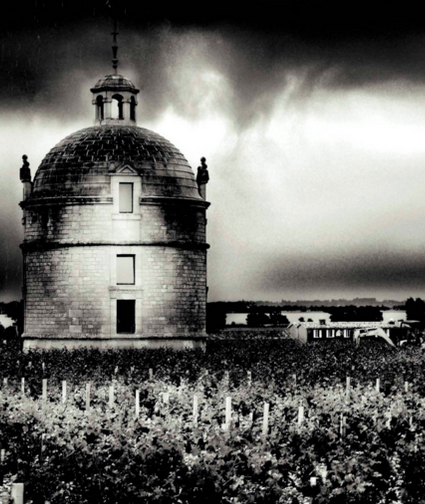
The earliest record of winemaking at Latour dates from 1670. By the 18th century it had acquired a high reputation and was drunk by discerning English gentlemen. An October 1723 letter from J. Bruneval, a Bordeaux merchant, to Henry Powell, wine buyer to Prince George (later George II), refers to “four topping growths… La Tour, Lafite, Château Margaux and Pontac”.
Latour is a 76-hectare estate, of which 47 hectares are planted with vines cheek by jowl with the château – the “L’Enclos” vineyard, which runs to the Pauillac/Saint-Julien border and the vines of Château Léoville-Las-Cases.
The most recent credible note on the great 1982 Latour comes from my fellow Warwick University graduate Neal Martin in July 2018: “The 1982 Latour has always been a quintessential Bordeaux and a quintessential Latour. This is just as composed and detailed as the finest bottles that I have encountered, bridled with captivating blackberry, graphite and cedar aromas that are brilliantly focused… The 1982 is a masterful, regal Latour and probably now the finest Left Bank exponent of this vintage. Score: 100”.
I think that he liked it.
Learn more here.